How it works
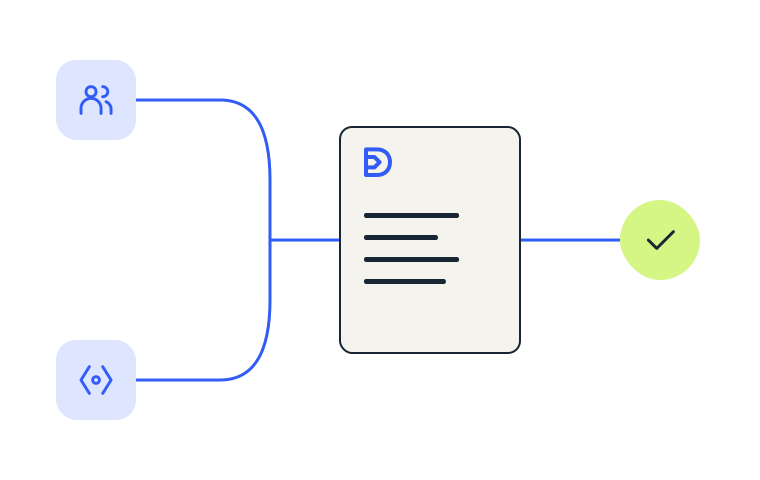
You open a file, agents work on it, a human signs off.
Agents draft, suggest and comment. People accept, reject and approve. Every save becomes an attributed version you can restore.
Who is in the workspace
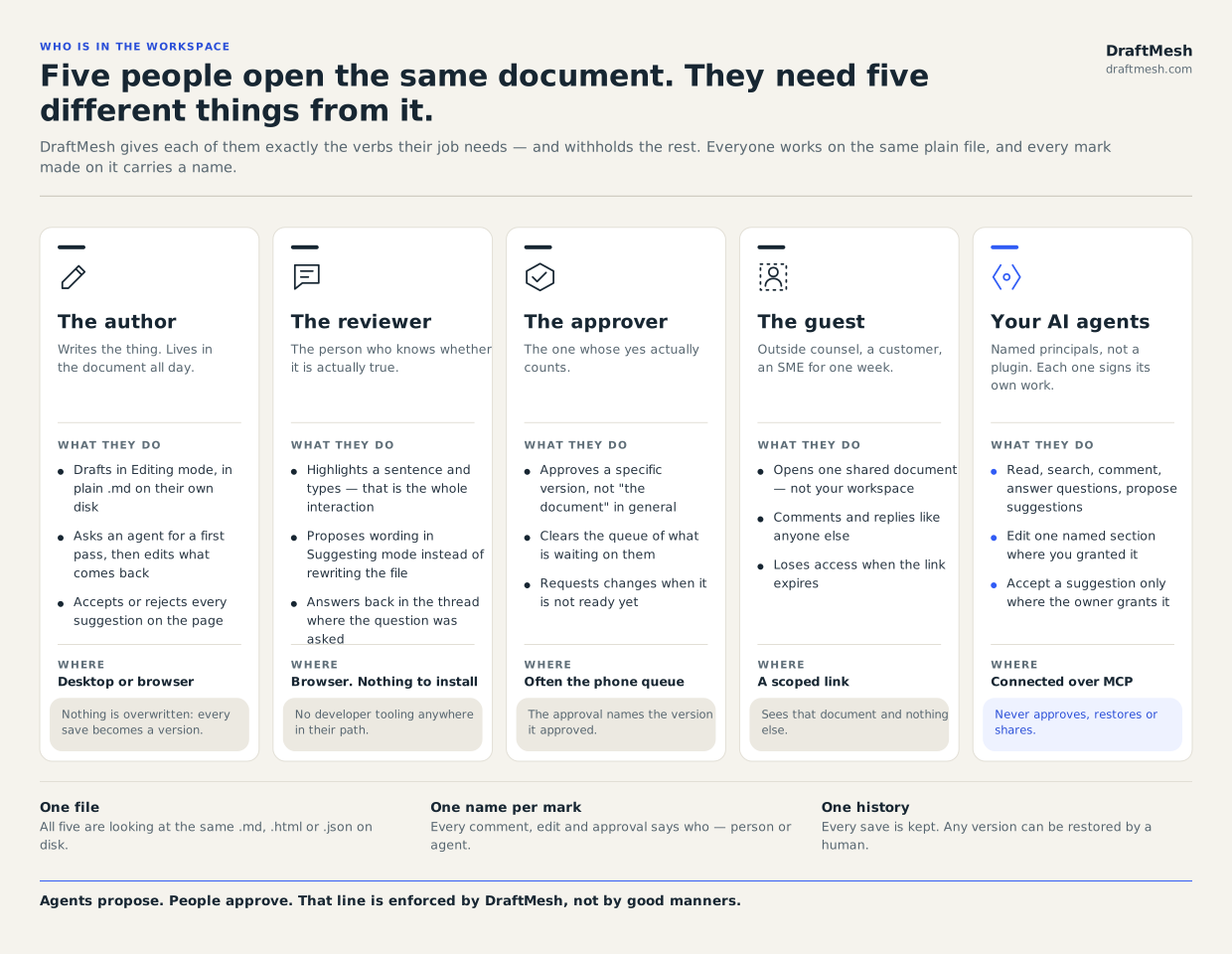
Five people open the same document. They need five different things from it.
Each gets exactly the actions their job needs, and no more — a reviewer never has to learn an editor, and no agent can sign off on its own work.
01
The author
02
The reviewer
03
The approver
04
The guest
05
Your AI agents
One document, end to end
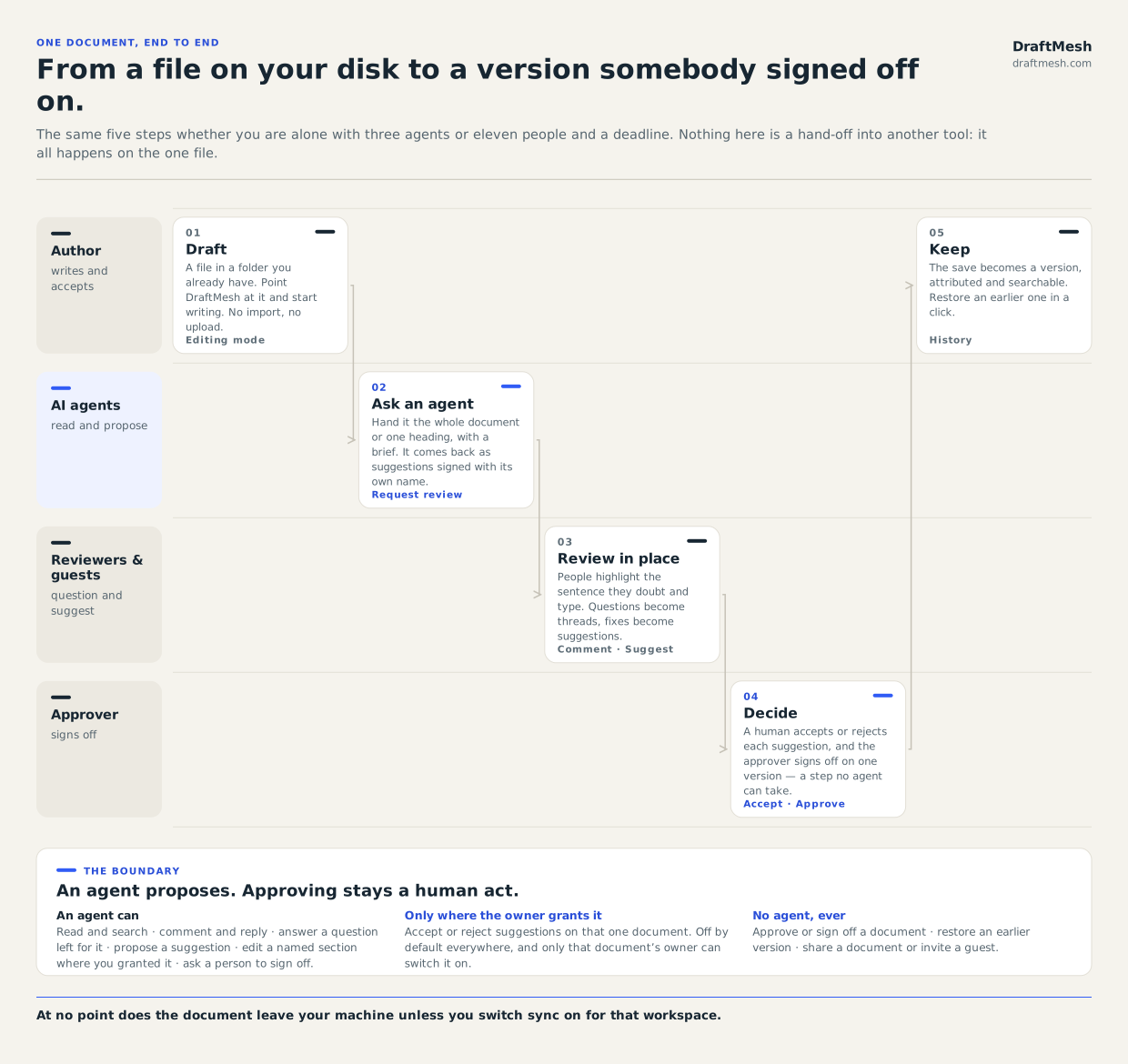
From a file on your disk to a version somebody signed off on.
Five steps, no hand-off into another tool — it all happens on the one file.
01
Draft
A file in a folder you already have. Point DraftMesh at it and start writing — no import step and no upload.02
Ask an agent
Hand a connected agent the whole document or one heading, with a brief. It comes back as suggestions and comments signed with its own name.03
Review in place
People highlight the sentence they doubt and type. Questions become threads on the rendered text; better wording becomes a tracked suggestion.04
Decide
A human accepts or rejects each suggestion, and the approver signs off on one specific version — a step no agent can take, however much it has been granted.05
Keep
The save becomes a version, attributed and searchable. Restore an earlier one in a click if the answer changes later.
The boundary
An agent proposes. Approving stays a human act.
DraftMesh enforces this rule itself, rather than trusting an assistant's good manners.
An agent can
Only where the owner grants it
No agent, ever
Use them
Both diagrams are yours to reuse.
Plain SVG, so they stay sharp in a deck, a print-out, or your own onboarding docs. Same two files the in-app user guide uses.
Good work. Woven together.
The local app is free forever — no account, no upload, no card. Your markdown never leaves your machine.
Free forever, local, no account